
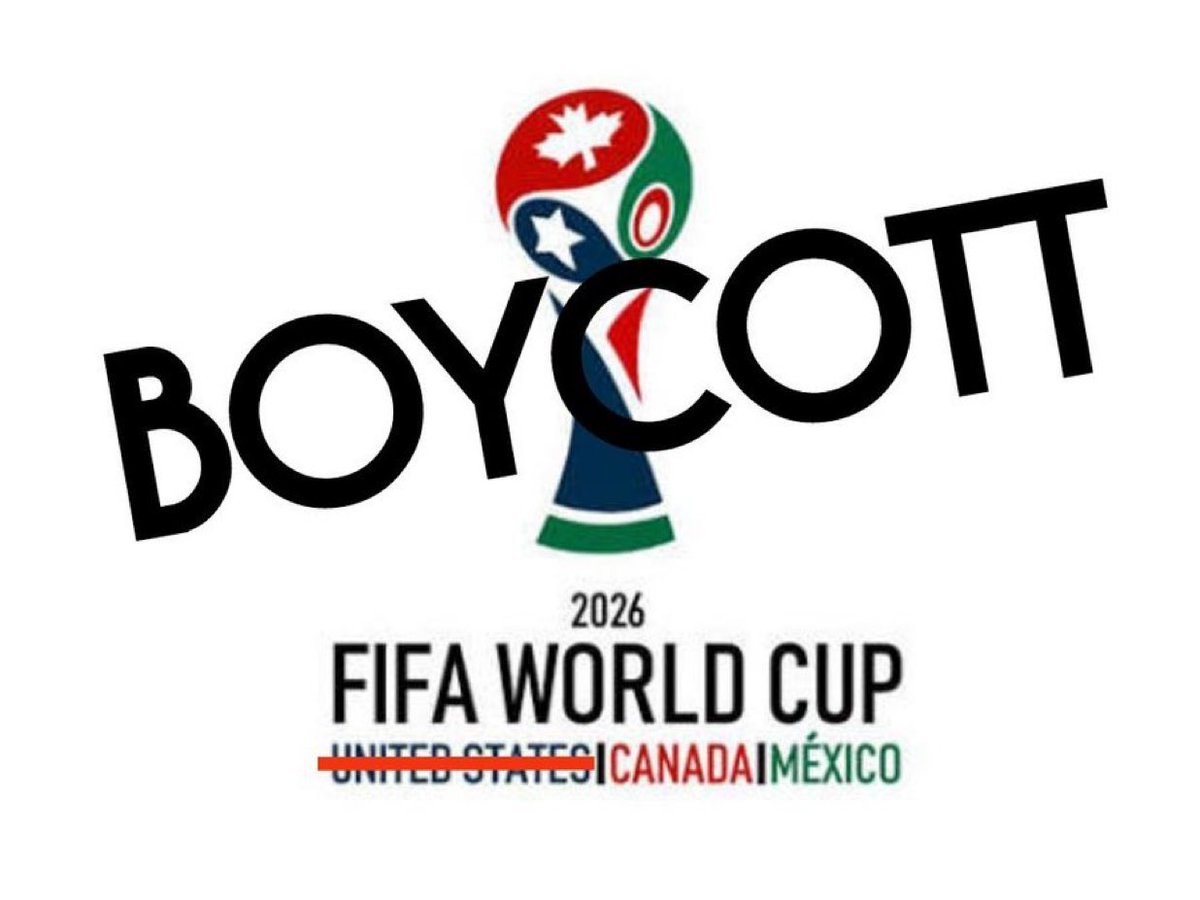
As the 2026 FIFA World Cup approaches, debates swirl around the idea of boycotting this highly anticipated global event. Set to be hosted across eleven cities in the United States, two in Canada, and three in Mexico, the tournament promises an unprecedented scale with 104 matches, 78 of which will take place on American soil. Yet, amid the excitement, voices calling for a boycott reflect deep political tensions, particularly targeting U.S. domestic and foreign policies under the leadership behind the event. While the calls to boycott aim to challenge these policies, an examination of the event’s vast implications—including fan engagement, cultural exchange, and the economic boost to host cities—reveals why such action may do more harm than good. Instead, embracing the tournament’s power as a vehicle for sports diplomacy may present a more constructive path forward, especially for football supporters eager to witness their national teams, notably the French squad, shine on this international stage.
Though political figures and analysts voice strong criticism—some suggesting limiting matches to Canada and Mexico to avoid the U.S. stage, others calling on national teams, including Germany’s, to abstain—the tournament remains a vibrant platform for sports lovers worldwide. The World Cup 2026 symbolizes not only competition but also global unity through cultural dialogue, media coverage, and international relations, making the actual impact of a boycott complex and potentially counterproductive. Supporters must weigh these factors and consider smart engagement strategies, like well-informed matchday analyses and strategic betting, that enhance their connection to the sport without sacrificing the excitement of the game itself.
Key Teams, Schedule, and Venues: What Football Fans Need to Know for the 2026 World Cup
The vastness of the 2026 World Cup’s hosting arrangement is unprecedented. The majority of matches—exactly 78 out of 104—will be held across eleven U.S. host cities, including iconic stadiums like the Rose Bowl in Pasadena and MetLife Stadium in New Jersey. Meanwhile, Canada will showcase matches primarily in Toronto and Vancouver, while Mexico hosts games in Mexico City, Guadalajara, and Monterrey. This setup promises rich regional diversity and accessibility across North America.
Anticipate a schedule running from June 11 to July 19, with opening fixtures designed to ignite early fire and a final slated to crown the world’s most elite in soccer. The tournament expands to include 48 teams, adding to the excitement and complexity. This enlargement provides new opportunities for underdog teams to challenge established powerhouses, while also demanding higher attention from fans, analysts, and bettors alike.
Analyzing Team Performances and Enhancing Smart Betting Decisions
As the competition unfolds, it becomes critical to monitor real-time match results and team dynamics. France, with its history of World Cup success, enters as a strong contender. However, analyzing opposition styles, player form, and tactical evolutions will offer deeper insights. This approach not only enriches fan experience but also sharpens betting strategies based on nuanced performance data.
For example, leveraging player statistics, injury reports, and coaching changes can provide bettors with clues to make calculated wagers. Staying updated via live media coverage and expert commentary ensures fans remain connected and engaged throughout the month-long spectacle.
Political Controversies vs. The Unifying Power of Football
The call for a boycott, largely centered on opposition to U.S. political leadership and its international policies, challenges us to reflect on the role sports play beyond the field. While concerns about the political agenda behind the hosting are understandable, historical precedents and expert opinions suggest that the FIFA World Cup has consistently served as a platform for cultural exchange and global cooperation, even amid geopolitical tensions.
Intriguingly, the French Ministry of Sports has explicitly rejected boycott motions, emphasizing that sports bridge divides and foster peace, aligning with a vision of football as a “force of fraternity.” This underscores the need to separate the game’s social and diplomatic value from purely political disputes, an approach that amplifies the World Cup’s capacity to engage diverse audiences worldwide.
The Economic and Cultural Stakes at Play
The economic impact on host cities and participating countries also deserves attention. Sponsorships from global brands like Adidas, Coca-Cola, and Qatar Airways show massive commercial ecosystems at work, providing financial support to bolster infrastructures and local economies. This economic ripple creates jobs, drives tourism, and enhances international visibility.
Furthermore, media coverage ensures that millions worldwide connect with moments of joy, heartbreak, and triumph—bonding fans across borders. Boycotting risks stripping away not only the excitement but also the chance to witness and celebrate sporting excellence and the very human stories it unfolds.
| 🏟️ Host Country | 🏙️ Host Cities | ⚽ Number of Matches | 📅 Tournament Dates | 🌍 Key Feature |
|---|---|---|---|---|
| United States 🇺🇸 | 11 | 78 | June 11 – July 19 | Majority of matches in iconic stadiums |
| Canada 🇨🇦 | 2 | 13 | June 11 – July 19 | Games mainly in Toronto and Vancouver |
| Mexico 🇲🇽 | 3 | 13 | June 11 – July 19 | Matches in Mexico City, Guadalajara, Monterrey |
Boycott or Participation? The Balance Between Politics and Football
The calls for a boycott carried by political personalities and activists stem from legitimate opposition to certain policies, but at what cost to sport and fans? Observing the resistance to such boycotts from sports institutions, including the fraught debate around Germany’s potential withdrawal—ultimately rejected—shows that many national bodies prioritize the unifying power of football over political divides. This aligns with the thoughtful stance of the French Football Federation and the widespread desire of supporters eager to see their teams compete.
For those interested in the nuances behind these controversies and their impact on fandom and betting, it’s essential to understand the intersections between international relations and the organization of this World Cup boycott debate. Knowledge of these dynamics supports informed fan engagement and betting decisions alike.
Given the stakes, adopting a boycott might deprive millions of unforgettable moments and rob our national teams—especially the French squad—of well-deserved showcase opportunities. Instead, we can channel our energy into supporting the team and engaging deeply with the beautiful game on and off the pitch.
For a closer look at the leadership’s role in steering this tournament amid criticism, the profile of FIFA president Gianni Infantino offers insights into contemporary governance challenges in football. Similarly, the reactions from fans worldwide who have pushed back against politicization can be explored through the movement of FIFA fans against political interference, underscoring the resilience of fan culture and passion.