
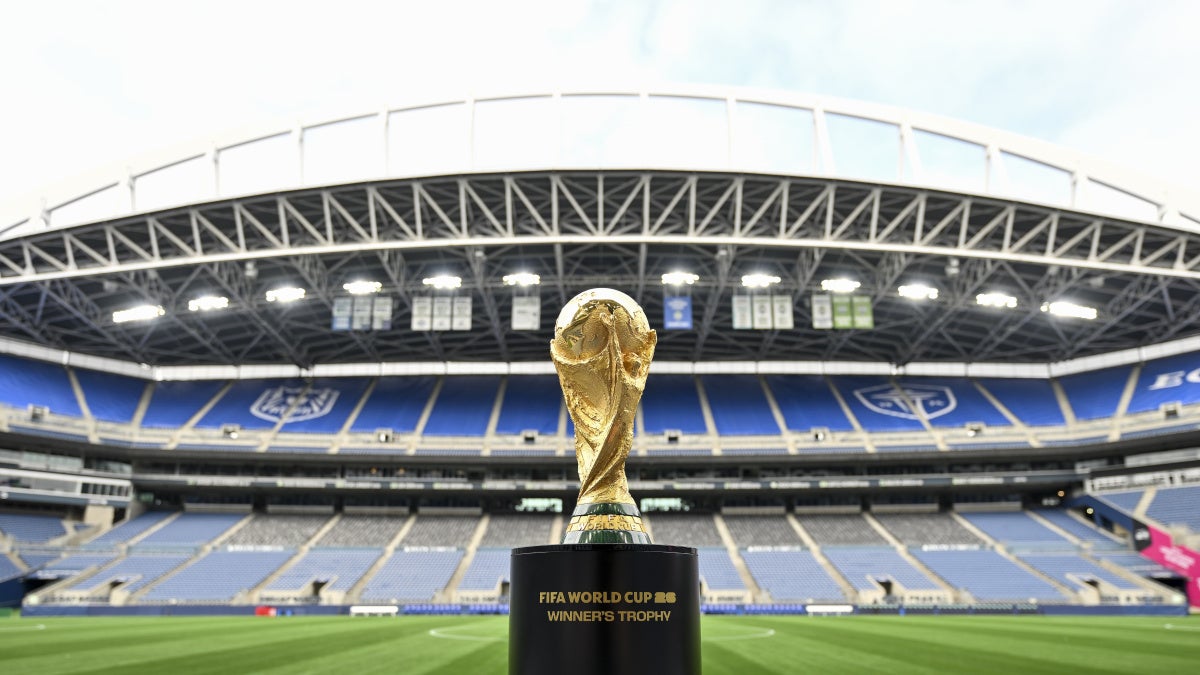
As the 2026 FIFA World Cup approaches, hosted across the United States, Canada, and Mexico, a growing wave of calls for boycott has started to echo through the global soccer community. Fans around the world raise their voices against what they perceive as political controversies, inflated ticket prices, and human rights concerns tied to the host nations—especially the United States. These protests risk overshadowing what should be a celebration of the world’s favorite sport, leaving many wondering if the tournament will truly unite or further divide the global sports family. Amidst these tumultuous calls, the anticipation for the soccer spectacles and the excitement around the team line-ups, match schedules, and stadium venues remains palpable, although tinged with the urgency of political and ethical debates.
🚨In Brief:🚨
- 🌍 Strong protests and boycott calls grow surrounding the 2026 World Cup hosted in North America.
- ⚽ Concerns include U.S. immigration policies, political ties, and ticket accessibility.
- 📅 The schedule and venues span three countries, increasing logistical challenges amid global scrutiny.
- 📉 Thousands of fans have already canceled tickets, amplifying the tension around FIFA’s decision-making.
- 💡 Despite controversy, analyses of team form and player performances remain focal points for fans and bettors alike.
Why the 2026 FIFA World Cup Faces Increasing Boycott Calls Amid Global Soccer Fans
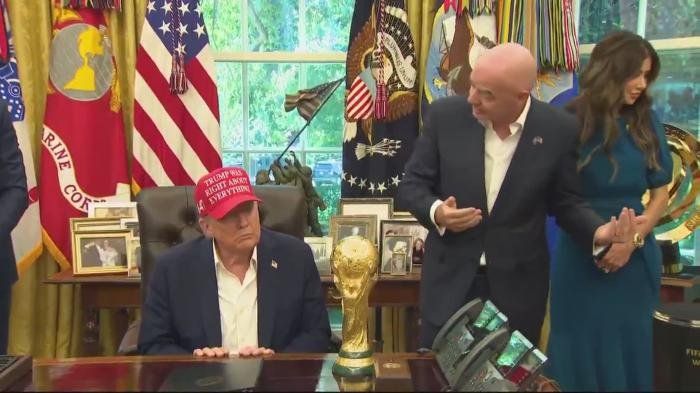
The 2026 FIFA World Cup is historically ambitious, expanding the tournament to feature 48 teams competing in 16 cities across the U.S., Canada, and Mexico. However, it finds itself under siege from mounting boycott calls principally fueled by U.S. domestic policies and international political tensions. Fans and activist groups are protesting the tournament’s associations with the U.S. immigration enforcement and perceived human rights violations, sparking growing movements to cancel tickets and abandon support for the event. Notably, the controversy has been exacerbated by recent political undertones linked to former U.S. leadership, sparking debates that extend well beyond the pitches.
This surge in protest is far from trivial—it has tangible impacts on soccer’s global community. Ticket cancellations have already hit high numbers, with soccer supporters concerned about security and ethical standpoints. The decision from some European fan bases to consider a boycott reflects the strained transatlantic relations, hinting at a disruption in what should be a unifying sports event. These developments place additional pressure on FIFA, challenging the organization to balance commercial interests with the ethical expectations of global fans and players.
How the Tournament’s Expanding Scale Affects Its Global Reception
With 48 teams now participating, the World Cup’s scale is unprecedented. The approach to distribute games across 16 stadiums in three countries aims at inclusiveness but introduces logistical complexity and heightens security concerns amidst ongoing protests. Fans must navigate multiple borders and changing regulations, fueling dissatisfaction and complicating travel plans.
Beyond the political contexts, the sporting aspect has not been ignored. The extended format means more matchdays—extending from the opening game through to the much-anticipated final—and increasing opportunities for fans and betting experts alike to analyze team strengths, player form, and tactical novelties. For example, the French national team remains a top contender, with their roster continuously under the microscope given their potential to secure another World Cup title. Such insights are critical as fans prepare to engage more deeply by placing intelligent bets informed by recent performances and expert analyses.
2026 World Cup Venues, Schedule, and Real-Time Updates
The tournament’s footprint spans iconic stadiums like MetLife Stadium in New Jersey, the Rose Bowl in California, and the Estadio Azteca in Mexico City. Each host city presents unique cultural and logistical challenges, amplified by the region’s political climate amid ongoing controversy. The detailed match calendar highlights group stages running over several weeks before condensing toward the knockout rounds set to attract intense global attention.
| 🏟 Stadium | 🌐 City | 📅 Notable Match Days | ⚽ Capacity |
|---|---|---|---|
| MetLife Stadium | East Rutherford, USA | Opening Match, Group Games | 82,500 |
| Rose Bowl | Pasadena, USA | Group Games, Round of 16 | 92,542 |
| Estadio Azteca | Mexico City, Mexico | Group Games, Quarterfinals | 87,523 |
| BC Place | Vancouver, Canada | Group Games | 54,500 |
As these events unfold, fans are tracking results in real time amidst a backdrop of political unrest and vocal protest movements. Staying updated is essential not only for following the tournament but for making smart, informed decisions if you’re considering bets on match outcomes. Knowledge on team dynamics, historical data, and expert evaluations become even more crucial in this climate.
Protest Impact on Fan Engagement and Betting Strategies
The unfolding controversy and the protest-driven withdrawals have ripple effects beyond attendance, impacting broadcasting rights, sponsorship deals, and overall fan enthusiasm. Yet, the sports passion persists, particularly for a team like France, whose journey in the tournament is closely followed and analyzed, offering fertile ground for savvy betting strategies. We must rally behind the French team despite the external distractions, as their skill and determination remain our beacon on the pitch amid turbulent off-field narratives.
Soccer fans interested in deeper insights can explore detailed discussions and updates on the boycott dynamics and the evolving fan sentiment across the United States and beyond. Moreover, analyzing ticket cancellation trends sheds light on the true scope of global unrest surrounding this sports extravaganza; learn more at how fans respond to political controversy.