
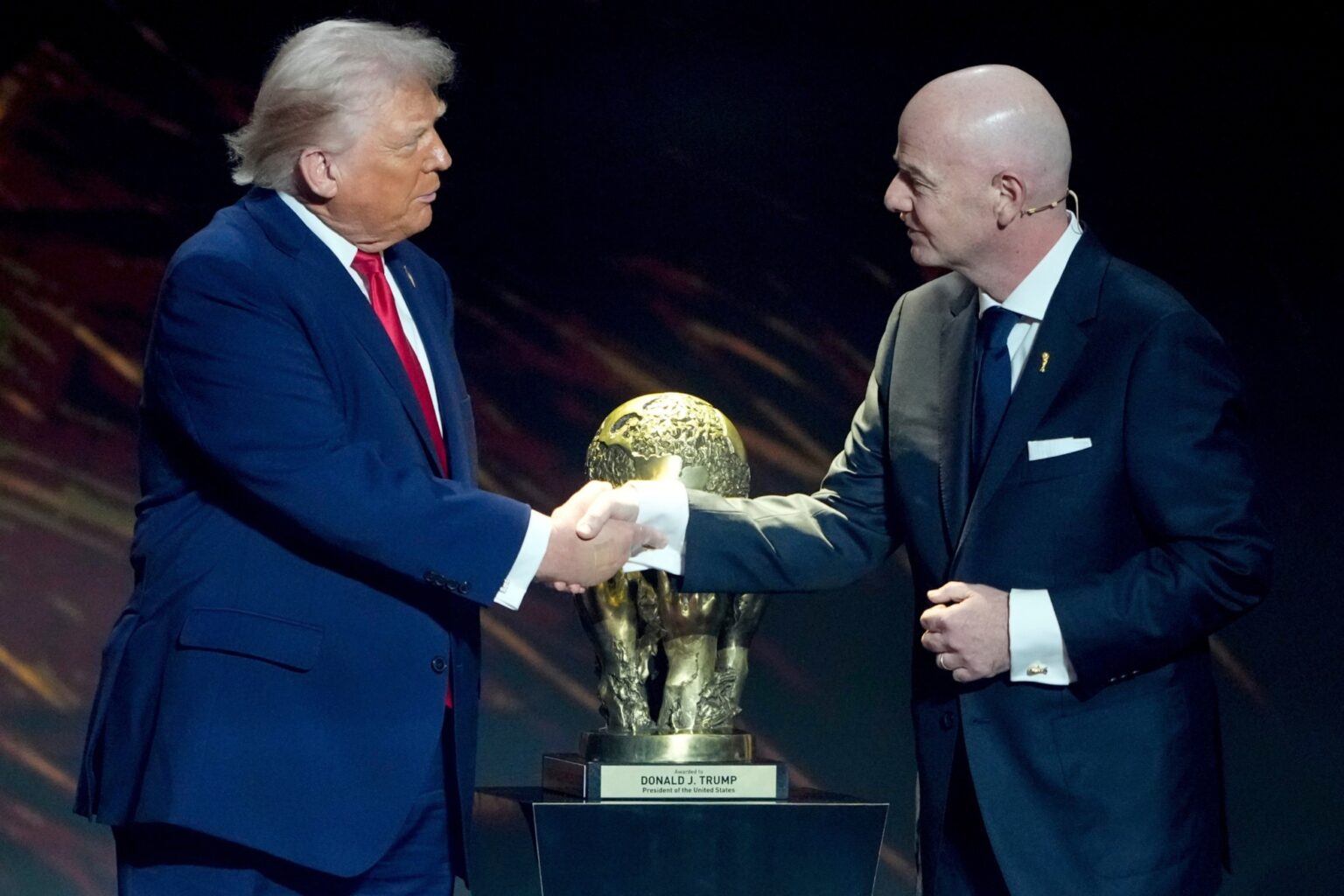
As the 2026 FIFA World Cup approaches, the global football community faces an unexpected twist. Reports suggest that nearly 17,000 fans canceled their tickets to protest against former US President Donald Trump and his policies, casting a shadow over what should be a unifying sports event. This wave of cancellations stems from political statements and concerns surrounding safety and human rights, particularly in the context of the tournament being hosted by the United States, Canada, and Mexico. Given the massive interest in the World Cup and the deep passion for soccer worldwide, the backlash presents a complex challenge both for FIFA and fans eager to support their teams on the global stage. Understanding the full scope of these cancellations, the reasons behind them, and their potential ramifications offers a crucial perspective on how politics and sports intersect in 2026.
In brief 📝:
- 🔥 Nearly 17,000 FIFA World Cup 2026 tickets cancelled, primarily as a protest against Donald Trump’s policies
- ⚠️ Concerns about safety, immigration enforcement, and political tensions fuel the backlash
- 📅 FIFA has called an emergency meeting to address the crisis and stabilize ticket sales
- 🌎 The World Cup spans three countries: United States, Canada, and Mexico, amplifying the international spotlight
- 📈 Despite cancellations, ticket demand remains volatile but still significant for the final stages
Political Protest Drives FIFA World Cup 2026 Ticket Cancellation Surge
Overnight, approximately 16,800 football fans canceled their tickets for the 2026 FIFA World Cup, signaling a highly politicized protest against Trump’s administration. The figure is unprecedented for a global sports event and has forced FIFA into an emergency meeting to assess the situation. This cancellation wave is more than just a sports boycott—it reflects the uneasy intersection of political dissatisfaction and sporting enthusiasm. Many fans, particularly international supporters, cite distrust and concerns over the U.S. immigration climate and political rhetoric as major factors influencing their decisions to withdraw from the event.
The event’s tri-nation hosting setup—across the United States, Canada, and Mexico—is unique, but this also intensifies the challenges in ensuring fan safety and comfort amid heightened political sensitivities. The cancellation trend unearthed broader questions about the role of major sporting events in global diplomacy and the limits of fan loyalty when external issues intervene.
Impact on Fan Engagement and FIFA’s Response
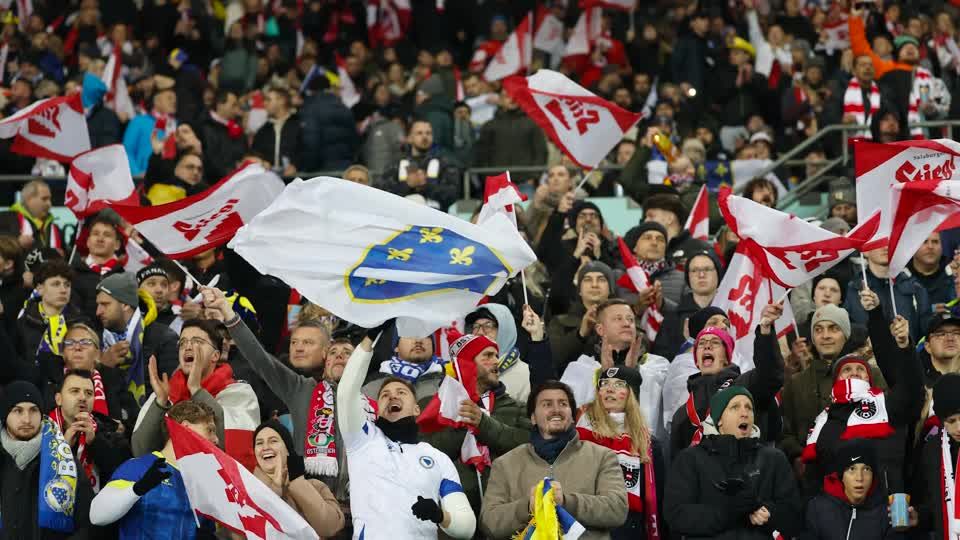
The backlash and ticket cancellations have triggered a critical moment for FIFA and the organizing committees. With nearly 17,000 ticket holders stepping back, FIFA faces pressure to restore confidence among fans while managing the optics of the event. This backlash is not just about numbers—it challenges the traditional image of the World Cup as an apolitical sports celebration.
FIFA’s emergency meeting, scheduled immediately after the cancellation spike, aims to devise strategies to counteract the negative sentiment and reinforce security and inclusivity measures. This includes addressing ticket holders’ concerns about safety and human rights, hoping to reassure fans globally.
Where and When: The Stadiums and Match Schedule for the 2026 FIFA World Cup
The 2026 World Cup will be historic, as it takes place across 16 cities in three countries. Legendary stadiums in cities such as New York, Mexico City, and Toronto will host matches ranging from group stage fixtures to knockout rounds and the anticipated final.
| 📍 City | 🏟️ Stadium | 🗓️ Key Matches |
|---|---|---|
| New York | MetLife Stadium | Opening match, Group Stage, Knockouts |
| Los Angeles | SoFi Stadium | Group Stage, Knockouts, Semi-finals |
| Mexico City | Estadio Azteca | Group Stage, Quarter-finals |
| Toronto | BMO Field | Group Stage, Round of 16 |
The final showdown is scheduled for July 19, 2026, at a venue that promises to be a breathtaking stage for football’s greatest moment.
Strategic Betting Amidst Political and Social Unrest
With turbulent ticket sales and ongoing protests, the landscape for supporting your favorite team or placing smart bets has become an intricate game. Staying updated on match results and team performances is more crucial than ever. Fans and bettors alike should closely monitor player form, team strategies, and venues to navigate this unpredictable environment.
For those aiming to place wagers, understanding nuances such as team morale in the political climate, travel stress for squads moving between countries, and even the atmosphere of host cities can dramatically affect odds. This situation underscores the need for careful data analysis and a cautious approach to informed betting during the 2026 FIFA World Cup.
How Soccer Fans Can Stay Engaged Despite Political Protests
Though the protests and ticket cancellations shake the 2026 months, the passion for football remains strong. Fans are encouraged to continue following the journey of their national teams, such as the French squad, which stands as a symbol of resilience and excellence. Supporting the team through live broadcasts, social media, and participating in local fan events helps maintain the spirit beyond stadium attendance.
Remaining involved also means respecting diverse viewpoints within the football community. The backlash around political protests during football matches, notably in other international contexts, reminds us how sport and social issues often collide. Engaging with these realities enriches the fan experience and strengthens collective unity around the game.
Getting involved intelligently extends to betting practices. Fans should consider leveraging reliable platforms and up-to-date analytics to make informed decisions rather than succumbing to impulsive bets, especially when social unrest may impact team performance and fan morale. Resources like betting guides provide valuable insights tailored for this complex environment.