

The 2026 FIFA World Cup is unfolding as one of the most politically charged editions yet, stirring controversies beyond the pitch. While anticipation builds for the grand tournament co-hosted by the United States, Canada, and Mexico, the administration behind it is attracting renewed scrutiny. Gianni Infantino, FIFA’s president, is once again under fire from none other than his predecessor, Sepp Blatter. These criticisms not only highlight internal tensions within soccer governance but also raise legitimate questions about the intersection of football politics and sports leadership as the world looks to this historic event.
Blatter’s latest rebuke targets Infantino’s management style, describing it as monarchical—“He rules FIFA like a king.” This reflects growing unease about the centralization of power within FIFA presidency and its implications on fair governance of football’s global stage. The critics point to close alliances Infantino has forged with powerful states like the United States and Saudi Arabia, which have fueled the football controversy swirling around the upcoming World Cup. These geopolitical partnerships, alongside accusations of ignoring FIFA’s statutes on neutrality, complicate the tournament’s image amidst calls for boycotts and fan discontent.
Gianni Infantino’s Controversial Leadership Challenges FIFA’s Integrity in 2026 World Cup
The road to the World Cup next year has been bumpy, marked by unexpected political layers. Blatter’s critiques underline a persistent divide in how FIFA’s sports administration is conducted. Sepp Blatter, speaking to L’Équipe, emphasized that Infantino’s approach is far from the collegiate leadership style the organization traditionally aimed for, implying a decline into authoritarian control. He accuses Infantino of alienating key football federations and disregarding their concerns, especially concerning the bizarre political backdrop set by U.S. President Donald Trump’s involvement.
Concerns about supporters’ safety, largely echoing warnings from Swiss legal expert Mark Pieth, further deepen this crisis. Pieth highlighted U.S. immigration practices and political tensions as deterrents for fans traveling to the tournament. This has propelled discussions around potential boycotts by certain national teams, although none have officially confirmed such a move yet. The intersection of football and politics proves once again as complicated as the beautiful game itself.
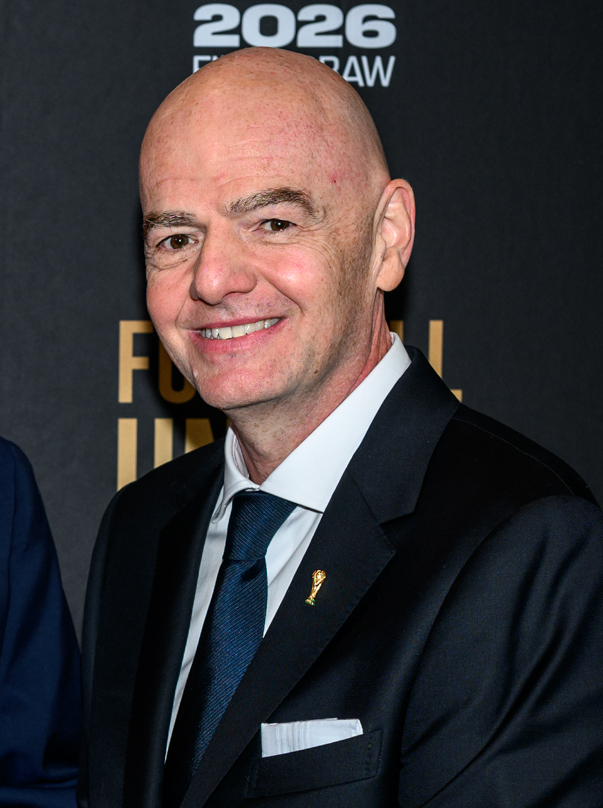
Impact of Political Controversies on World Cup 2026 Attendance and Participation
This climatic strain in FIFA’s leadership spills over into the actual event venues, spanning fifteen stadiums across North America. Cities like Los Angeles, Mexico City, and Toronto are not only preparing for record crowds but also grappling with potential gaps due to fans wary of political backlash. The tension is palpable, with supporters canceling trips or questioning their participation in light of FIFA criticism surrounding the event’s official endorsements.
Such factors demand that teams and fans be strategic in their engagement, especially for those looking to bet intelligently on the games. Access to updated information on team performance, venue preparations, and ticket availability becomes crucial. Sites like betfoot2026.com offer insightful data tailored for enthusiasts eager to analyze and predict outcomes amidst this climate of uncertainty.
Football Politics and Safety Concerns Cast Shadow Over 2026 FIFA World Cup Excitement
The backdrop of football politics and safety cannot be overlooked as we approach the tournament kickoff. The skepticism voiced by Sepp Blatter echoes wider apprehension throughout the football world, including top European figures like Michel Platini, who similarly criticize Infantino’s unilateral control. This leadership style raises concerns about checks and balances which are essential in sports administration, especially for an event of global significance.
These controversies are balanced somewhat by the undeniable enthusiasm for the sport itself and the quality of participating teams. As the qualified national teams finalize their squads, analysts and fans alike prepare for a blend of thrilling football action and heightened off-field drama. Recognizing this dual narrative helps fans stay engaged and informed, supporting their teams while navigating the complex political landscape unfolding in real time.
| 🏟️ Stadium | 🌆 City | 🇺🇸/🇨🇦/🇲🇽 Host Country | 🏅 Matches Scheduled | 📅 Key Dates |
|---|---|---|---|---|
| MetLife Stadium | East Rutherford | USA | 7 | June 11 – July 19 |
| Estadio Azteca | Mexico City | Mexico | 6 | June 12 – July 18 |
| BC Place | Vancouver | Canada | 5 | June 13 – July 17 |
How Strategic Fan Engagement Shapes the Future of FIFA’s Global Event
In light of the ongoing FIFA criticism, fans must navigate a complex environment when participating in the World Cup experience. From ticket procurement on platforms like betfoot2026.com to travel planning around key host cities such as Seattle or Philadelphia, every decision is loaded with consideration of safety and political context. This not only influences attendance but also affects the worldwide spirit that defines the tournament.
Moreover, understanding the implications of football politics on match outcomes can provide bettors with a competitive edge. Recognizing how off-field controversies might affect team morale or focus is crucial. We, as fans of the French team and football as a whole, must continue to support fair play, transparency, and the beautiful game itself amidst these challenging times.