
As the 2026 World Cup approaches, tensions beyond the pitch cast a shadow over what should be a celebration of football. The tournament, co-hosted by the United States, Mexico, and Canada, faces an unprecedented controversy fueled by geopolitical disputes, particularly around the United States’ aggressive foreign policy under Donald Trump. Calls for a boycott are emerging across Europe, raising the question: will Les Bleus participate or stand aside? For fans of the French national team and football enthusiasts worldwide, this situation intertwines complex layers of sports politics and the pure love for the game, sparking debates on whether to separate football from international conflicts or let the latter influence one of the biggest international tournaments in sport.
In brief:
⚽ France firmly stands by participation in the 2026 World Cup despite growing boycott calls.
🗓️ France’s qualification route remains on track, with key matches against Ukraine pivotal for securing their spot.
🌍 Geopolitical tensions, especially involving US policies and threats around Greenland, stir controversy over the tournament’s legitimacy and participation.
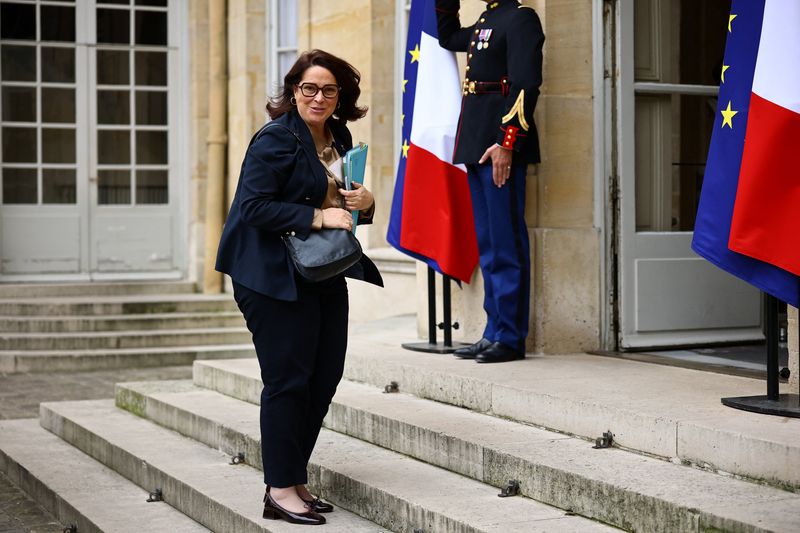
📣 Political voices within France debate ethical implications, but the Ministry of Sports, led by Marina Ferrari, insists on separating sport from politics.
🔍 Football followers should monitor squad performances and qualification fixtures closely to strategize their bets intelligently and support Les Bleus with confidence at the World Cup.
France’s Position Amid 2026 World Cup Boycott Rumors and Geopolitical Challenges
The prospect of a boycott of the 2026 World Cup, mainly due to the international stance of the United States under Donald Trump, has sparked considerable discussion throughout Europe. France finds itself at a crossroads where the passion for football clashes with serious concerns about sports politics. The Ministry of Sports, through Marina Ferrari, has articulated a clear message: no boycott is planned at this stage. While some political factions, including figures like Éric Coquerel from France’s far-left fractions, openly question participating in a tournament partially hosted by a country viewed as aggressive in international relations, the official stance prioritizes maintaining the sanctity of football as an inclusive global event.
This approach underlines the belief held by many that one must dissociate sport from politics to preserve the essence and unity brought about by football. The 2026 World Cup stands as an opportunity for Les Bleus to assert themselves on the global stage, following their rich recent history highlighted by appearances in back-to-back finals and a championship win in 2018. The French team’s focus today is on qualifying and preparing for the immense challenge ahead rather than engaging in political debates that could threaten their participation.
The Road to Qualification: How Les Bleus Can Secure Their 2026 World Cup Spot
Qualification for the World Cup is never a given, even for a powerhouse like France. The current qualifiers have shown moments of vulnerability – notably a disappointing 2-2 draw against Iceland that exposed offensive struggles during Kylian Mbappé’s absence. Yet the pathway remains clear and achievable: a decisive home victory over Ukraine would guarantee Les Bleus a direct qualification by securing the top spot in their group.
Football analysts and fans alike track these qualifiers attentively, as they provide crucial insight for those interested in betting strategies. Understanding team form, player availability, and tactical adjustments sharpens betting decisions, turning football enthusiasm into informed wagers. For example, backing France in their next pivotal matches offers potential value, given their resilience and quality despite occasional setbacks.
European Responses: Diverging Views on Boycott and Football’s Role
While France currently dismisses a boycott, other European countries like Germany adopt a more cautious tone. The German Football Association (DFB) holds autonomous decision power regarding participation. This open-ended stance reflects broader World Cup controversy fueled by political disagreements, including accusations of rights violations and exclusionary policies within the host nation.
Voices from the football community, such as Claude Le Roy, criticize the US policies harshly, emphasizing the impact on global perceptions and calling attention to broader social issues like racial and political tensions. These debates resonate among fans contemplating the intersection of ethics and sports allegiance.
Despite these debates, the international tournament approaches with its own rhythm, guided primarily by results and performances on the pitch. Les Bleus have several key matches lined up across historic venues in North America, from the iconic Rose Bowl in California to Calgary’s vibrant stadium, where each game could further solidify France’s status as strong contenders to once again reach the final stages.
Key Schedule and Venues for Les Bleus at the 2026 World Cup
| 🗓 Date | 🏟 Venue | ⚔ Opponent | 📝 Notes |
|---|---|---|---|
| June 12, 2026 | Rose Bowl, Pasadena | Spain | Opening Group Stage Match |
| June 19, 2026 | BC Place, Vancouver | Mexico | Group Stage Rivalry |
| June 25, 2026 | Estadio Azteca, Mexico City | Ghana | Group Stage Decider |
| July 4, 2026 | MetLife Stadium, New Jersey | Quarterfinals | Potential Clash with Germany or Argentina |
As fans and bettors, tracking this schedule and the unfolding Les Bleus results in real time helps sharpen betting predictions and enriches the spectator experience. Staying informed about squad updates, match atmospheres, and tactical changes can provide that edge in the competitive world of sports betting.
For those following the controversy, more context is available at FIFA fans and boycott news portal, offering detailed insights into the unfolding narrative around the tournament and its geopolitical underpinnings.