
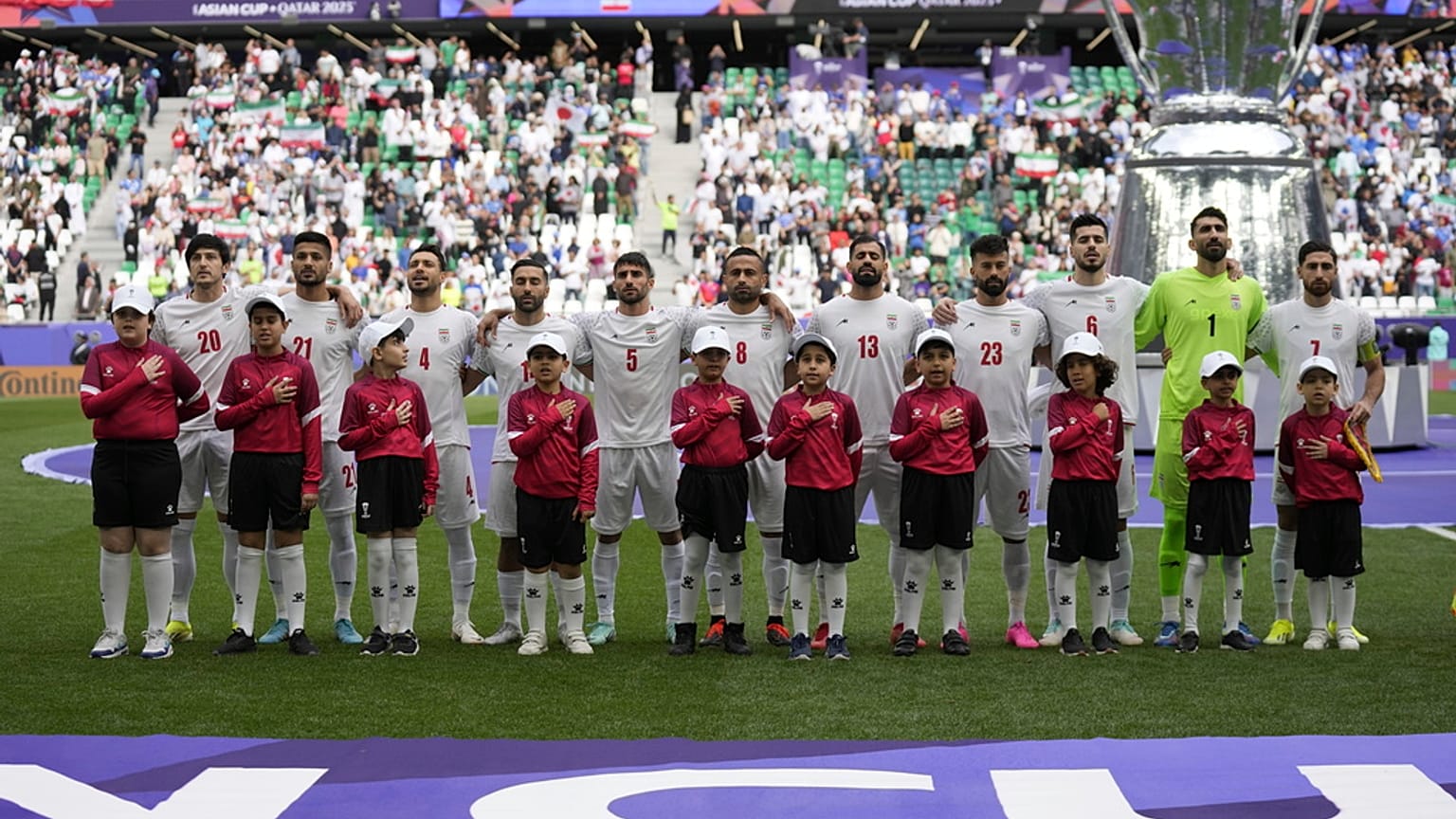
The ongoing crisis in Iran has escalated into a critical geopolitical challenge, placing FIFA in an unprecedented predicament just months before the 2026 World Cup. With the Islamic Republic engulfed in turmoil following national uprisings triggered by economic collapse, and the tragic loss of thousands amidst brutal crackdowns, the nation’s presence in the tournament is now seriously jeopardized. The situation deteriorated further with direct military confrontations involving the US and Israel targeting Iranian cities, and retaliatory strikes by Iran, intensifying regional instability. As the United States, a principal co-host of the World Cup, enforces stringent entry restrictions on Iranian citizens, doubts loom large on whether the Iranian team can rightfully compete on American soil. This collision of Sports Governance, Politics, Human Rights, and International Relations threatens to overshadow the sporting spectacle, forcing FIFA to walk a precarious tightrope between fairness, safety, and global diplomacy.
In the heart of these tensions lies a deep contradiction: Iran has earned its berth through sporting merit, topping the Asian qualifiers and set to face formidable opponents like Belgium. Yet, the political reality—marked by a decapitated regime and ongoing violence—casts a shadow over their participation. Questions mount around visa access to the US, fan safety, and the psychological burden on Iranian players caught amid national tragedy. With replacement teams like Iraq or the UAE mentioned as contingencies, the integrity of the competition hangs in balance. As football enthusiasts eager to cheer on our champions from France, who themselves navigate the rigorous qualifying pathways and meticulous scheduling, we witness how global crises can abruptly reshape the contours of sport, reminding us that the World Cup is never insulated from the world’s harsh realities.
Iran’s Troubled Path to the 2026 FIFA World Cup Amid Political Upheaval
Since late December 2025, Iran has grappled with a profound internal crisis sparked by economic collapse and social unrest. The government’s harsh repression, with reports indicating over 3,000 confirmed deaths and estimates up to 30,000, alongside a complete internet blackout and widespread arrests, paints a grim backdrop for the country’s soccer ambitions. Far from a mere political inconvenience, this turmoil directly impacts the Iranian national team’s preparations and morale. The shockwaves intensified in February with targeted US and Israeli airstrikes on key Iranian cities such as Tehran, Isfahan, and Karaj, killing senior regime figures and plunging the country’s governance into uncertainty. This upheaval raises serious doubts about Iran’s ability to participate in matches scheduled in major US venues like Inglewood and Seattle. The controls on Iranian visitors combined with these hostilities complicate the logistics FIFA must grapple with, threatening the tournament’s seamless execution and competitive equity.
Security and Visa Challenges as Soccer Meets Geopolitics
With 78 of the 104 games slated in the United States, Iran’s inclusion at the World Cup confronts harsh realities of international diplomacy and security. Obtaining US visas for Iranian players and staff is notoriously difficult, and in the context of this open conflict, nearly unfeasible. The ramifications extend beyond mere paperwork—concerns of protests, diplomatic incidents, or even security threats at stadiums like those detailed on Los Angeles 2026 World Cup and Seattle 2026 FIFA Access sites add layers of complexity for FIFA’s event organizers. The safety of athletes and fans alike is paramount, yet the political volatility challenges FIFA’s declared apolitical stance. The controversy around the detention of Iranian player Amirhossein Ghaderzadeh highlights the crisis reaching into the heart of the team, further complicating the narrative. For us supporters of the French squad and pursuers of clean competition, such geopolitical disruptions compel reflections on preserving the sport’s spirit in a fractious world.
Implications for Tournament Integrity and Fair Play
Sporting merit alone earned Iran its spot in Group G, pitting them against Belgium, Egypt, and New Zealand. Yet, the potential forced withdrawal of Iran poses a significant challenge to the tournament’s integrity. FIFA regulations permit a replacement team from Asia—likely Iraq or the UAE, both engaged in ongoing regional playoffs—to fill any void. However, scrambling to find substitutes introduces tough questions about competitive fairness and continuity. Such dynamics risk repeating controversies seen in recent qualifying campaigns and could mar the World Cup’s message of unity through soccer. Our collective support for the French team, as they prepare meticulously for their clashups, underscores how external factors beyond the pitch can influence the beautiful game’s grandest stage.
| 🗓️ Date | ⚽ Match | 🏟️ Venue | 📍 Location | 📝 Notes |
|---|---|---|---|---|
| June 15, 2026 | Iran vs New Zealand | SoFi Stadium | Inglewood, CA | Scheduled, pending Iran’s participation approval |
| June 20, 2026 | Iran vs Belgium | Bay Area Stadium | San Francisco, CA | Potentially high-risk match amid political tensions |
| June 26, 2026 | Iran vs Egypt | Lumen Field | Seattle, WA | Key group stage match; visa issues unresolved |
Such uncertainties contrast with the well-laid plans of other venues like Kansas City or Boston, profiled respectively on Kansas City FIFA 2026 and Boston 2026 World Cup. It also raises the stakes for betting enthusiasts focused on the 2026 tournament—knowing the political climate helps in making intelligent predictions and wagers.