
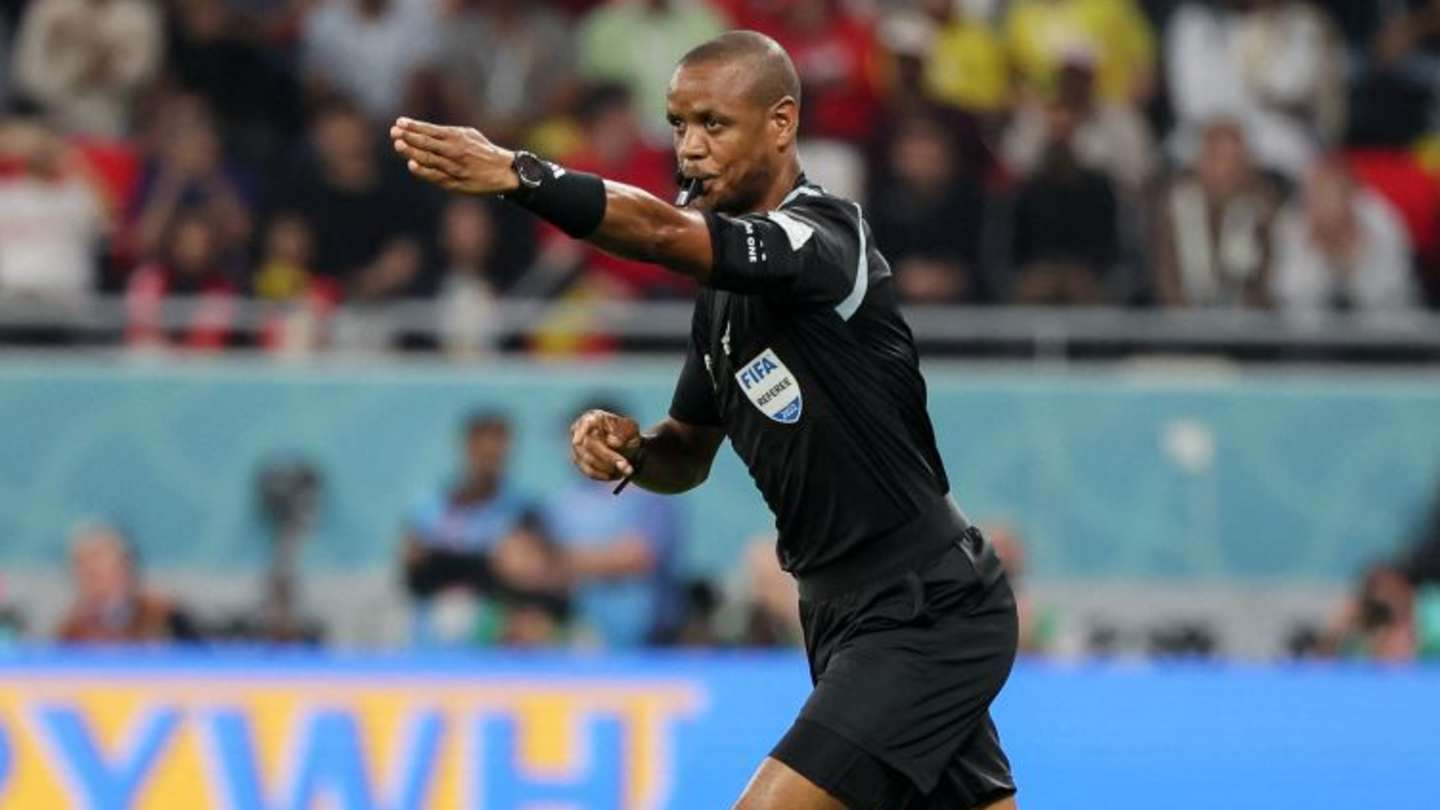
As the 2026 FIFA World Cup approaches, the game we know is set to undergo significant transformations aimed at preserving the essence of competitive football: authentic, fast-paced, and fiercely contested on the pitch. The International Football Association Board (IFAB) has ratified a series of groundbreaking Football Regulations that target the all-too-familiar issues of time-wasting and match management abuse. These changes introduce countdowns⏳ for actions like throw-ins and goal kicks, impose stricter timelines for player substitutions, and massively expand the powers of the Video Assistant Referee (VAR) system. Capturing the pulse of modern football demands embracing these updates if we want to see the game flow better and maintain its intensity during every World Cup clash, especially with the spotlight on our French team’s ambitions and tactics. The new rules not only seek to restore valuable playing time during matches but also aim to keep the competitive edge razor-sharp by minimizing artificial delays that have historically diluted the sport’s excitement.
Leading up to the World Cup, these innovations challenge teams and fans alike to adapt. From stadiums across North America where the matches will unfold to the strategies on the grass, understanding how these FIFA updates reshape game time control is essential. They introduce real-time enforcement, underpinned by visual countdowns for infractions like slow throw-ins or delayed goal kicks, ensuring immediate consequences such as turning a throw-in over to the opposing team or awarding a corner kick if the ball remains inactive. In addition, players will face a hard ten-second limit⏱️ to exit the pitch once a substitution is requested, penalizing any attempts to deliberately delay the game. For the French squad fervently backed by fans worldwide, these tactical nuances could be decisive in legally maximizing their competitive advantage during those intense knockout moments when every second counts.
How the New Time-Wasting Rules Are Set to Change Match Dynamics at the World Cup
We must recognize how these newly implemented countdowns directly confront the age-old challenge of time-wasting, a persistent frustration for players, coaches, and spectators alike. The IFAB’s decision to apply a visible five-second countdown for throw-ins and goal kicks disrupts players who habitually deliberately delay restarts. The moment the referee determines that a player is stalling, this countdown becomes active. Should the ball fail to reenter play within this window, possession will shift instantly, handing the advantage to the opposing side through either a turnover on a throw-in or a corner kick after an excessive delay in goal kicks. Such clear and immediate consequences discourage time-wasting tactics that have previously transformed exciting final minutes into dull procedural lapses.

This approach not only speeds up the flow of the game but also demands sharper focus from teams. We are seeing a conscientious move towards maintaining the rhythm that fans crave — no more passive clock management tactics. Intriguingly, this places an extra strategic burden on managers, especially on those orchestrating the French team’s preparation. France’s squad must balance their aggressive playstyle with this new necessity to ensure swift ball movement, lest they fall victim to the rule enforcement. The end game will not just be about skill but masterful game time control.
Substitution Protocols Tightened to Curtail Delays
Another compelling innovation is the stringent new timeframe for substitutions. From the moment the substitution signal is shown, players now have only ten seconds to vacate the pitch. If this limit is exceeded, the substitute can only enter at the next stoppage and not immediately, causing the team to potentially lose valuable momentum on the field. This rule also comes with a penalty system that could hamper game flow, especially if players or teams push boundaries intentionally.
Time-wasting during substitution has long been a subtle tactic to regain composure or disrupt opposition rhythm, but with these limits, teams including ours—the French national side—must adapt quickly. Coaches need to choreograph substitution strategies around this new countdown, anticipating scenarios where every second saved or wasted on the sidelines translates directly into competitive success or failure. Efficient and prompt execution of player changes becomes not just a logistical requirement but a strategic weapon.
Expanded VAR Intervention Strengthens Fair Play and Reduces Errors
The Video Assistant Referee (VAR) system is about to take on a more robust role under these new Football Regulations. This expansion arises from persistent calls within the football community for enhanced accuracy and fairness in critical match decisions. Now, beyond adjudicating direct red cards, VAR can intervene when a player is sent off after receiving two yellows—a scenario previously inaccessible to instant video review. This adds a layer of judicial prudence, guarding against errors like wrongful identity or sanctions on the wrong player.
These adjustments strengthen the arbitration process at the World Cup, reassuring teams and fans that match outcomes will be less prone to controversial officiating mistakes. For France, this means a better-protected tactical sheet, where unfair expulsions—often turning points in tight knockout matches—become less likely. The integrity that VAR hopes to deliver reaches beyond fairness; it has tangible impacts on team morale and strategic planning during these high-stakes matches.
New VAR Rules for Corner Kicks – A Tactical Shift
The reforms don’t stop there. In an unprecedented move, competitions can now allow VAR to review corner kicks that appear to have been wrongly awarded, provided this verification happens swiftly to avoid game disruption. This small but crucial tweak means fewer unjust scoring opportunities gifted by refereeing errors, reinforcing fairness and accuracy during critical attacking moments. For teams like France, this fine-tuning could alter how they approach set pieces and built their game plans, knowing the system is now more vigilant.
The Strategic Stakes for Teams and Fans at the 2026 World Cup
The arrival of these innovations underscores a clear message from FIFA and IFAB: preserving the spirit of football means continuously evolving regulations to protect the game’s tempo and fairness. This transformation spotlights the importance of on-pitch discipline combined with razor-sharp match management—qualities the French squad must harness to achieve success. As enthusiasts, we should understand these changes not just as bureaucratic tweaks but as essential evolutions that can swing the tide in closely fought battles.
For fans who love to back France with stakes placed intelligently on the outcomes, grasping the impact of such rules is crucial. Knowing when teams might be forced into hurried decisions due to countdown pressures or how VAR adjustments can retrospectively affect game results adds a richer dimension to betting strategies. Careful analysis of each game’s tempo, substitution patterns, and referee tendencies will be pivotal in forecasting outcomes more accurately. Ultimately, embracing this new era of match management and game time control ⚽️ can deepen our engagement and sharpen our predictions during this landmark World Cup.
| ⏰ Rule | ⚖️ Enforcement | ⚽ Impact on the Game | 🔍 VAR Role |
|---|---|---|---|
| 5-second countdown on throw-ins | Ball given to opponent if delay | Maintains fast game pace; penalizes passive restarts | No direct VAR intervention |
| 5-second countdown on goal kicks | Corner awarded to opponent if delay | Prevents deliberate slowdowns; increases attack opportunities | Possible immediate verification of wrongly awarded corner |
| 10-second limit for substitutions | Delayed replacement allowed only at next stoppage | Speeds transitions; rewards disciplined teams | No VAR involvement |
| VAR reviews second yellow card red cards | Intervenes for wrong identity or wrongful sanction | Ensures fairness in critical match decisions | Expanded VAR authority |