
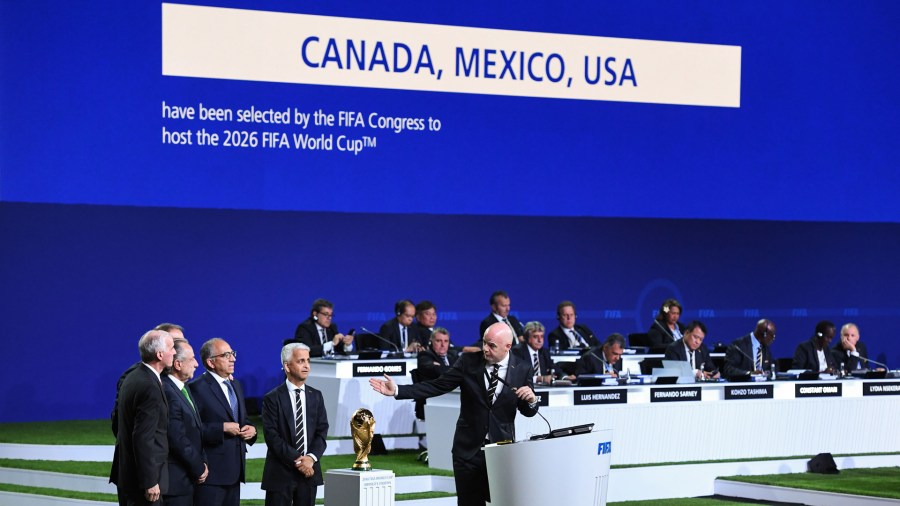
As the World Cup 2026 rapidly approaches, with this mega-tournament set to be hosted across the United States, Canada, and Mexico, a growing cloud of controversy surrounds the complex issue of funding allocations. Several major European football federations, including the French Football Federation (FFF), have raised alarms about the stark financial imbalances emerging. The challenges are rooted in disproportionate logistical expenses—ranging from intercontinental travel, base camps, and accommodations to adverse currency exchange rates—that threaten to overshadow the tournament’s generous but diluted prize money. Indeed, while total prize money has increased to an impressive $727 million for 48 teams, this sum is stretched thin compared to previous editions and pale alongside the lucrative rewards seen in the FIFA Club World Cup. With Germany, England, the Netherlands, and France contemplating formal requests to FIFA for financial reevaluation, the stakes are high. Supporters of the French team, alongside fellow enthusiasts, must watch closely as these budget disputes reveal deeper questions about financial transparency, government funding expectations, and the true cost for the host countries to deliver this global spectacle. ⚽🔥
- 💰 Funding controversies threaten to complicate preparations for World Cup 2026 hosting
- 🌎 Host countries face massive infrastructure investment and escalating logistical costs
- 📉 Disparities between rising operational expenses and relatively fixed prize money raise concern among European federations
- 📅 The tournament schedule and stadium selections remain pivotal to managing budget constraints
- 🔍 Demand for greater financial transparency and fair government funding intensifies
- ⚠️ Potential public backlash expected if fiscal inequities affect fan experience and local resources
Financial Transparency Challenges in Host Countries for World Cup 2026
The 2026 FIFA World Cup’s scale is unprecedented, with 48 participating teams competing across 16 venues spread over three countries. While this expansion drives excitement, it also inflates costs. Host cities grapple with steep price tags for stadium upgrades, security expenditure, and transport logistics. Despite a federal injection of $625 million for security in the U.S., local committees bear additional financial burdens possibly escalating to $150 million per city. This intensifies pressure on public funding and fosters scrutiny regarding who truly pays for the event.
European federations criticize the disparity between the generous prize pool and the outsized operational costs. For example, a first-round exit could mean losses when factoring in the expenses of travel and accommodation, not just for players but for entire delegations. The currency exchange complications further strain budgets, especially for European teams journeying across the Atlantic. This financial opacity and uneven distribution of costs continue to fuel debates about the fairness and sustainability of hosting a global tournament across diverse economic landscapes.🤔
Infrastructure Investment and Government Funding Disputes
Significant investment into stadium infrastructure is mandatory for the 2026 World Cup, but the question remains: who foots the bill? While FIFA often touts its role in revenue generation, much of the costs rely on government funding allocations that stir national debates. U.S. cities, while benefiting from upgraded facilities post-tournament, face heavy upfront costs not entirely offset by ticket sales or sponsorships. Canadian and Mexican hosts share similar challenges.
Adding complexity, the Trump administration’s stance on visa expeditions and security funding fosters uncertainty, delaying crucial preparations for supporters and teams alike. With security costs already substantial, and logistical outlays ballooning, some cities voice concerns over the overall economic benefits promised, fearing a public backlash should citizens perceive their tax contributions disproportionately.
Analyzing Team Participation and Scheduling Amid Budget Constraints
The World Cup 2026 format includes an expanded roster of 48 teams, introducing fresh excitement but also logistical challenges. Planning matches through June and July across diverse time zones and climates demands strategic venue selection to manage costs and fan experiences. For us fans behind Team France, the priority is ensuring fair scheduling that avoids excessive travel strain while maximizing rest and preparation time.
As the prize money remains a contentious topic, performance on the pitch must be carefully weighed against tangible financial realities. France, alongside other footballing powerhouses like Germany and England, pushes for adjusted compensation reflective of real expenses. This movement highlights the delicate balance between sport, economics, and political negotiation—a dynamic every supporter should follow keenly, especially those considering betting strategies that factor off-pitch influences on team readiness.
| ⚽ Key Funding Aspects | 💵 Estimated Amounts | 🛠️ Stakeholders |
|---|---|---|
| Overall Prize Money | $727 million | FIFA, 48 participant teams |
| Winner’s Prize | $50 million | FIFA, Champion Team |
| U.S. Federal Security Funding | $625 million | U.S. Government, Host Cities |
| Local City Expenses (Estimated) | $150 million per city | City Governments, Organizing Committees |
| Infrastructure Upgrades | Varies per venue | Host Countries, FIFA |
The Impact of Public Backlash on World Cup Hosting
In several host cities, especially in the U.S., tensions run high as residents grow wary of the economic burdens imposed. Community activists argue the mounting public expenditure on stadiums and services could otherwise address local social needs. Should these voices amplify, governments might reconsider funding levels for future international sporting events.
Moreover, any perceived lack of financial transparency from FIFA or local authorities risks alienating fans and casting a shadow over the tournament’s legacy. As supporters dedicated to the French team, we must advocate for fairness and prudent financial management, ensuring that enthusiasm for the World Cup does not wane due to budget mistrust and controversy. Understanding these layers offers a fuller view of what it means to back our team in an ever-evolving global football landscape. 🇫🇷⚽