

Lucas Chevalier, once hailed as the future number one goalkeeper for PSG, finds himself in a precarious position as the countdown to World Cup 2026 intensifies. Despite a promising start at Paris Saint-Germain after his transfer from Lille, Chevalier has recently slipped into a backup role, overshadowed by Matvey Safonov’s impressive performances, particularly in penalty saves where Safonov boasts one of the best ratios across Europe’s top five leagues. This shift raises pressing questions about Chevalier’s prospects in the French squad for the upcoming international tournament. The PSG hierarchy remains optimistic, emphasizing that Chevalier is part of a long-term project and highlighting the healthy competition between the three goalkeepers including Renato Marin under Luis Enrique’s management. However, the limited playing time Chevalier currently receives could hinder his development and visibility at the national team level, casting doubt on his inclusion in the French squad as France prepares to defend its global status in 2026.
World Cup 2026’s tournament setup and the French team’s selection heavily depend on the form and readiness of players like Chevalier. With the group stages and knockout rounds scheduled across iconic North American stadiums, each player’s match fitness and top-level exposure are critical. For goalkeepers, consistency and match sharpness cannot be compromised, and staying sidelined risks erosion of both. In this high-stake environment, the French coaching staff is carefully tracking Chevalier’s club situation, comparing his development to other contenders such as Brice Samba. The evolving dynamics at PSG and their influence on national selection provide a compelling narrative for football enthusiasts and bettors alike. Understanding these internal competitions and player form fluctuations offers valuable insights for anyone looking to make informed wagers or simply follow the intricate chessboard that is international football in 2026.
Paris Saint-Germain Goalkeeper Battle: Lucas Chevalier’s Backup Role Threatens His French Squad Prospects
The goalkeeper position at PSG has become a hotbed of competition, with Lucas Chevalier’s once-secure number one spot challenged by Matvey Safonov’s strong emergence. Safonov’s return from a hand fracture sparked a managerial change by Luis Enrique, who highlighted the importance of competition and rotation among his three top goalkeepers—Chevalier, Safonov, and Renato Marin. Safonov’s stellar penalty record, featuring five stops and the highest ratio among Europe’s major leagues, cannot be ignored. Consequently, Chevalier’s reduced minutes undermine his match-readiness, crucial ahead of the World Cup. This situation raises red flags for the French coaching staff assessing goalkeeper options for their squad. If Chevalier doesn’t regain his starting position and accumulate steady playtime, his spot in the World Cup squad could be seriously imperiled, especially with fellow candidates like Samba also in contention.
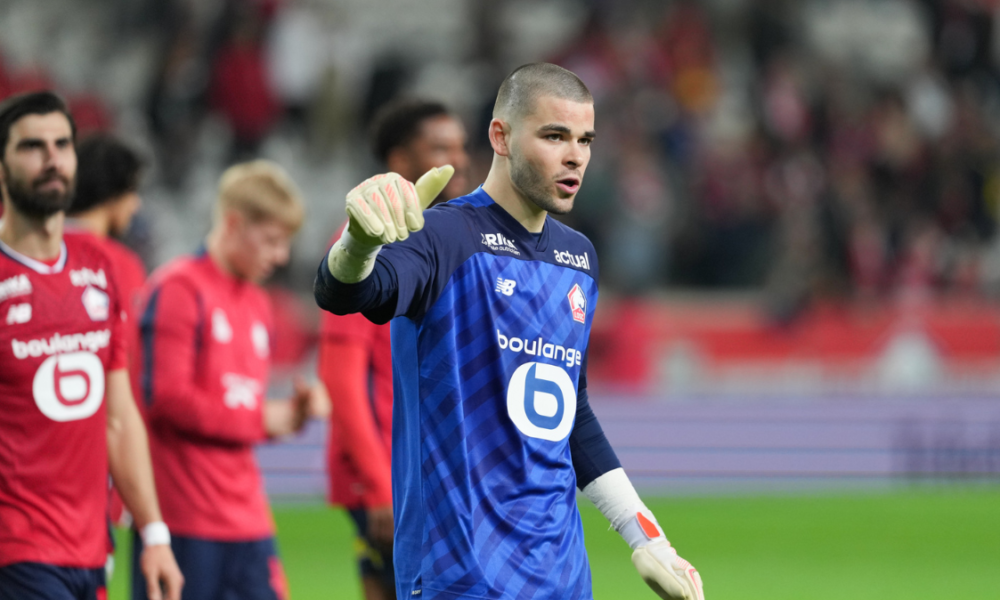
Impact of Limited Playing Time on Player Development and National Team Selection
For goalkeepers, game time is essential not only for maintaining sharpness but for building confidence and decision-making under pressure. Lucas Chevalier’s current status as a backup in PSG means fewer opportunities to showcase his skills in competitive matches. While training remains intense and technical staff express faith in his potential, the palpable lack of match exposure risks stagnation. The French national team faces a dilemma: should they prioritize players currently excelling in their clubs or remain loyal to younger talents with long-term potential yet hampered by club dynamics?
This issue is particularly pressing as the World Cup 2026 approaches, where the stakes and intensity demand every squad member to be at their peak. For now, the balance seems delicate. Chevalier’s trajectory echoes broader trends in football where player development is often at the mercy of club politics and managerial preferences, adding layers of complexity for selectors in international tournaments.
French Squad Goalkeeper Landscape Ahead of World Cup 2026: Competition Intensifies
As France gears up for World Cup 2026, goalkeeper selections capture heightened scrutiny. The French team’s coaching staff monitors the evolving performances of their candidates, including Chevalier and Brice Samba, both juggling club responsibilities and national aspirations. Samba’s club situation also demands careful observation, given the importance of regular playing time in top-tier competitions. This monitoring extends to how goalkeeper confidence and competence affect team chemistry and tactical setup, especially in a tournament where momentary lapses can prove disastrous.
The coaching strategy underscores the complexity of balancing experience and potential. It also reflects a broader football trend where national teams invest heavily in long-term projects while ensuring immediate readiness for global contests. Fans and analysts closely follow these developments as they shape betting markets and predictions, underlining the importance of informed engagement with the sport.
World Cup 2026 Match Venues and Schedule: Strategic Preparation for French Goalkeepers
The World Cup 2026, hosted by Canada, Mexico, and the United States, offers a visually spectacular and logistically challenging arena for football’s elite. French goalkeepers must adapt to various stadium conditions, climates, and atmospheres across different venues such as the MetLife Stadium in New Jersey, BC Place in Vancouver, and Estadio Azteca in Mexico City. Strategic preparation includes acclimatization to diverse playing surfaces and crowd dynamics—factors that goalkeepers like Chevalier need to experience regularly to excel on the international stage.
The schedule itself demands physical and mental resilience. Matches are tightly packed from group matches through knockout rounds, emphasizing the necessity for a goalkeeper to maintain peak condition and form. Regular club action remains one of the best predictors of tournament success for any player competing at the highest level.
| 🏟️ Venue | 📅 Key Dates | ⚽ French Squad Match Importance |
|---|---|---|
| MetLife Stadium, New Jersey | June 11 – July 19, 2026 | Opening game, group stage matches |
| Estadio Azteca, Mexico City | June 12 – July 18, 2026 | Group and knockout stage potential |
| BC Place, Vancouver | June 10 – July 17, 2026 | Group stage matches |