
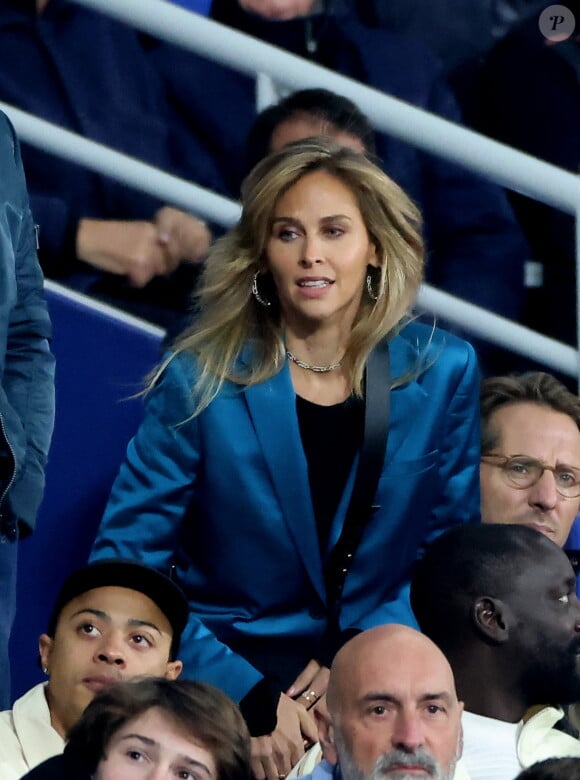
As the 2026 World Cup draws near, with the United States, Canada, and Mexico set to host the globe’s most-watched football tournament from June 11 to July 19, significant attention is turning not only to the action on the pitch but also to the faces and voices covering the event. Ophélie Meunier, notably stepping into the limelight as the chief presenter for M6’s coverage of the tournament, openly anticipates the sexist criticism she expects to face. This highlights an ongoing issue entrenched in sports journalism—the persistent gender bias experienced by female reporters, even as women’s roles in sports media grow more prominent.
As supporters of France and aficionados of football worldwide, we cannot ignore how media representation and sports coverage intertwine with societal biases, coloring public perception. Ophélie Meunier’s candid acknowledgment of the discrimination she will face echoes the troubling experiences of others like Vanessa Le Moigne, who endured cyberharassment following the 2025 African Cup of Nations final. Despite the surge in women’s presence in sports journalism, sexist criticism remains a barrier, affecting credibility and authority.
Yet, the 2026 World Cup also offers a platform to confront these prejudices head-on. With a strong team supporting Meunier, including commentator Xavier Domergue—praised for both expertise and poised delivery—there is optimism for elevating sports coverage quality while challenging outdated stereotypes. Reflecting on the teams participating, exact match schedules, and venues, fans can immerse themselves not just in the sport but also in the evolving narrative of women in sports journalism, reinforcing our unwavering support for the French team and its journey at this prestigious event.

Ophélie Meunier and the Challenge of Sexist Criticism in World Cup Sports Coverage
Ophélie Meunier’s role in the upcoming World Cup coverage marks a significant media moment for M6 but also highlights the difficulty female reporters face in the male-dominated world of football journalism. Meunier, a genuine football enthusiast yet not a traditional sports journalist, braces for sexist remarks that historically undermine women covering men’s sports events.
This anticipation is not unfounded. Incidents like the cyberbullying of Vanessa Le Moigne after the 2025 CAN final—where Senegal triumphed over Morocco 1-0 after extra time—expose an entrenched sexism in sports media discourse. These experiences remind us that despite greater visibility, female reporters endure disproportionate scrutiny and discrimination.
The predicament points to a larger problem of gender bias in sports journalism and media representation. Although progress is evident, these issues reveal how hostile environments can restrict opportunities for women in sports media, affecting both their careers and the quality of coverage available to fans.
World Cup 2026: Teams, Schedule, and Media Coverage
Set against this backdrop, the World Cup itself stands as a massive showcase of athletic excellence and cultural unity. The tournament features 48 teams, including powerhouses like France, Brazil, Germany, and host nations United States, Canada, and Mexico. It will be contested across a mix of iconic venues such as MetLife Stadium in New Jersey, Toronto’s BMO Field, and Mexico City’s Estadio Azteca.
| 📅 Date | ⚽ Match/Event | 🏟️ Venue | 📺 Broadcaster |
|---|---|---|---|
| June 11 | Opening Match | MetLife Stadium, USA | M6 (France) |
| June 15 – July 10 | Group and Knockout Stages | Various Stadiums (USA, Canada, Mexico) | M6 & Partners |
| July 19 | Final | Estadio Azteca, Mexico | M6 (France) |
France’s squad is poised to be competitive, with key players in top form leading the charge. The tournament’s schedule offers fans numerous prime viewing opportunities to analyze team strategies and player performances. With M6’s exclusive broadcasting rights for France, viewers can expect extensive pre- and post-match discussions helmed by Meunier and expert analysts, lending sharp insights beyond the game.
Tackling Gender Bias: The Role of Female Reporters in Changing Sports Coverage
Female reporters like Ophélie Meunier play a pivotal role in transforming how football is narrated and consumed. Their presence challenges the traditional masculine lens, opening pathways for more inclusive and nuanced storytelling. Nevertheless, as Meunier herself acknowledges, the hard truth is that sexist criticism and discrimination persist unabated in the realm of sports journalism.
This persistent bias manifests not only in personal attacks but in media’s framing and language choices, often trivializing women reporters’ contributions or reducing their professional worth to stereotypes. Such obstacles heighten the need for steadfast support from the audience—especially fans rallying behind the French team and the broader World Cup—who can demand equitable and respectful coverage.
Building a media ecosystem that fairly represents women in sports coverage will enrich the sport’s narrative, providing deeper analysis and broader perspectives. In the context of a tournament as monumental as the World Cup, this shift promises progress not just in football, but in societal attitudes about gender roles.
Smart Engagement: How to Follow and Bet on the World Cup with Insight
For passionate fans eager to get involved beyond the traditional watching experience, understanding the nuances of teams’ form, players’ fitness, and tactical shifts is essential. The 2026 fixture list is packed, with matches spread across multiple time zones, making it crucial to stay updated with real-time scoreboards and expert commentary from trusted voices like Meunier and her team.
Smart bettors and supporters should also note the influence of external factors such as stadium atmospheres, travel fatigue, and psychological resilience on match outcomes, especially in a geographically dispersed tournament. Using detailed analyses and staying attentive to updates can turn casual interest into informed engagement, enhancing both enjoyment and strategic betting.