
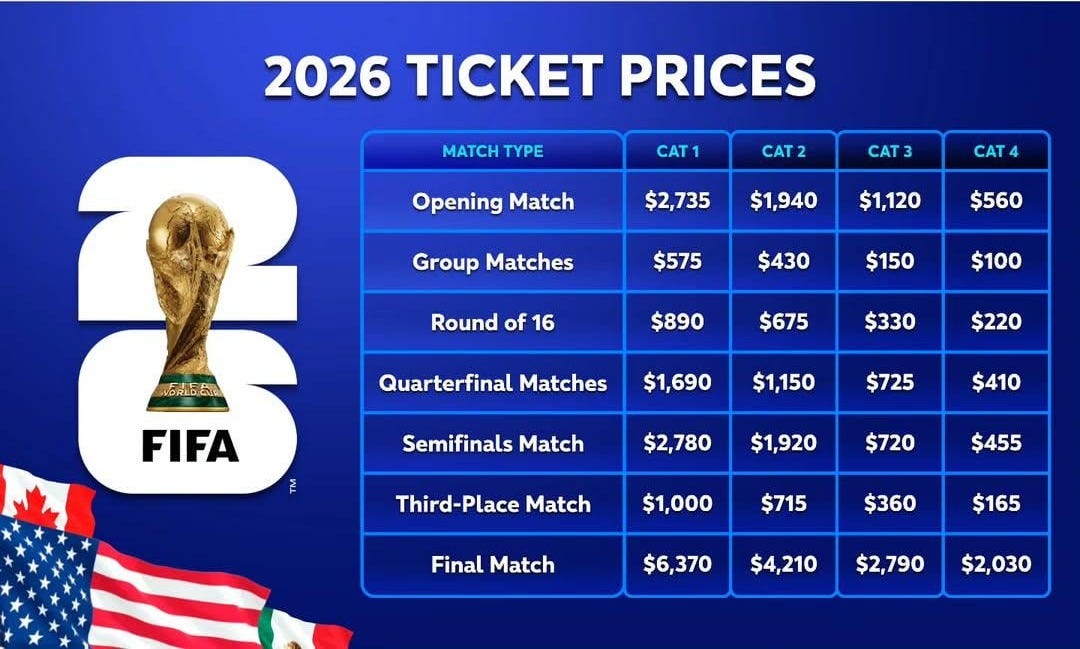
As the 2026 World Cup fast approaches, excitement brims among football fans worldwide. Yet, a bubbling controversy over ticket prices threatens to dampen this enthusiasm. Timothy Weah, the OM player and American international, has openly criticized the soaring costs, labeling them as “too expensive”. With the tournament set predominantly in the United States, the ticket pricing model has sparked intense debate, shining a spotlight on the inaccessible nature of attending matches for many genuine football fans. This discontent raises important questions about ticket affordability and whether the event prioritizes spectacle over inclusivity.
Since the announcement of pricing, the figures have felt astronomical. For instance, tickets for the French national team’s opening match against Senegal on June 16 start at a staggering €317, while the average cost for a final ticket towers above €11,000. The outrage echoes beyond European borders with groups like Football Supporters Europe (FSE) denouncing the “astronomical tariffs” and French supporters lamenting “scandalous prices” that combine steep ticket costs with significant travel and accommodation expenses. Such financial barriers challenge the spirit of football as the sport accessible to all.
Why OM Player Weah Condemns the 2026 World Cup Ticket Prices
Timothy Weah’s criticism reflects a broader frustration in the soccer community regarding FIFA’s pricing strategy, chiefly its “dynamic pricing” approach, which adjusts ticket costs in real time based on demand. This mechanism may maximize profit but alienates the very football fans who constitute the sport’s heartbeat. Weah, familiar with the sport’s pulse, emphasized that unlike the American flair for spectacle, the high prices could exclude many true supporters from the tournament experience.
Weah, 25, the son of former Ballon d’Or winner George Weah, has seen football evolve from grassroots pitches to grand stages. His concern is significant: “It’s just too expensive. Football should remain a joy for everyone.” This viewpoint underlines an essential debate on maintaining football’s popularity while balancing the economics of mega-events. The 2026 World Cup, spanning 16 stadiums across the US, Mexico, and Canada, offers unmatched spectacle but at a potential cost to the average enthusiast.

FIFA’s Response and the Impact on Fan Experience
In response to widespread backlash, FIFA introduced tickets at a base price of $60, available for all 104 matches, attempting to appease critics and maintain fan access. However, with over 150 million ticket requests pouring in within weeks, this measure remains insufficient. The demand surpassed any previous records, with FIFA President Gianni Infantino claiming it equated to 300 years’ worth of World Cup attendance. Yet, this record-breaking interest paradoxically highlights the stark divide between ticket supply and affordability.
Fans wishing to witness their favorite teams in the 2026 World Cup must navigate a complex landscape of high costs and limited availability. The official stadium sites and match calendars are public, but the financial barrier looms large. Notably, the clash involving France—a team we fervently support—encounters these same challenges, forcing true supporters to make tough choices or miss out entirely. Accessing tickets and planning trips for multiple matches across various host cities like New York, Seattle, and Toronto becomes a costly affair.
2026 World Cup: Where and When the Action Unfolds with the Highest Stakes
| 📅 Date | 🏟 Stadium and City | ⚽ Match | 💸 Starting Ticket Price |
|---|---|---|---|
| June 16 | Stade de la Nouvelle-Orléans (New Orleans) | France vs Senegal | €317 |
| July 19 | MetLife Stadium, East Rutherford | Final Match | €11,108* |
| June 20 | BC Place, Vancouver | Canada vs Mexico | $60 (FIFA Base Price) |
| June 24 | Rose Bowl, Pasadena | USA vs Germany | $60 (FIFA Base Price) |
*Average ticket price, premium options significantly higher
This overview of key World Cup tickets and events emphasizes the geographical spread and the economic weight fans must bear. The venues themselves are iconic, but the cost to experience matches live is arguably becoming a spectacle of its own, detached from the roots of fans’ passion. For anyone looking to engage deeply with the tournament—perhaps by making strategic bets—understanding these dynamics is crucial. Here’s a reliable resource for checking the official match schedule for France and the overall 2026 World Cup French matches.
Strategies for Football Fans: Navigating Ticket Pricing and Betting Smartly
Despite the sticker shock of ticket prices, the 2026 World Cup offers unique opportunities for true football fans to dive into an unforgettable sporting spectacle. Following the precise host cities and stadium guide can aid in planning. Meanwhile, a well-informed approach to betting requires digesting the latest team performances and player conditions—areas where in-depth analyses stand essential.
Given the difficulties of attending in person due to the ticket costs, betting on matches becomes an attractive way to engage. Platforms like betting on World Cup tickets packages and games provide official data and insights that sharpen prediction skills. Utilizing these tools aligns with a passion for football while acknowledging the reality of event pricing issues.
With a collective desire to see the French team succeed, we must advocate for a balance between commercial interests and true fan access. The criticism from an OM player like Weah reinforces this call for equity. Let us support our team with intelligence both on and off the field, ensuring that football’s joy remains in reach for all, not a lonesome spectacle for the privileged few.
For continuous updates on ticket prices, match results, and insightful commentary, don’t hesitate to explore resources like World Cup America coverage and detailed breakdowns of ticket price evolution.