
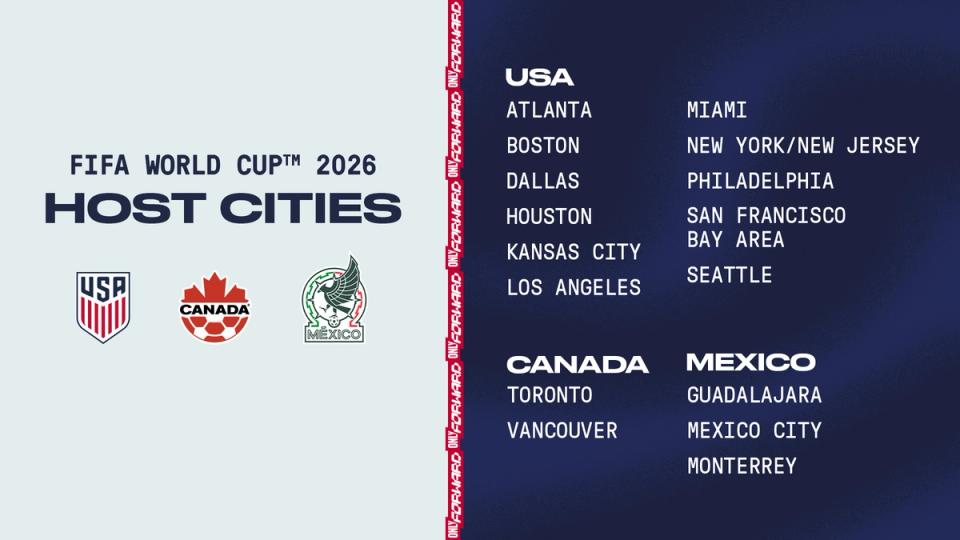
As the 2026 FIFA World Cup approaches, football fans worldwide are gearing up for the largest and most ambitious tournament ever organized. Hosted jointly by the United States, Mexico, and Canada, this edition will feature a historic expansion to 48 teams competing in 104 matches across 16 soccer venues. The tri-nation hosting arrangement brings diverse cultures, climates, and iconic stadiums together, promising an unforgettable spectacle. From legendary grounds steeped in football history like Mexico City’s Estadio Azteca to ultra-modern marvels such as Los Angeles’ SoFi Stadium, every host city has a unique story and vibe. With such a sprawling tournament, understanding the distribution of matches, stadium capacities, and regional grouping is crucial to fully grasp what to expect—and to support our team France as we navigate the intense competition ahead.
In addition to the extensive slate of games, the tournament schedules key moments with quarterfinals onward taking place in the United States. Fans can anticipate cutting-edge technology, including AI-assisted officiating and virtual reality experiences, blending tradition and innovation. Meanwhile, the spotlight will shine on sustainability efforts with eco-friendly stadium upgrades, ensuring environmental responsibility during this football festival. Whether planning to attend in person or follow remotely, staying informed on the tournament schedule, ticket prices, and travel tips such as those for Toronto and San Francisco will enhance the overall experience. This World Cup isn’t just a tournament—it’s a transformative event that binds continents and fans alike.
In brief:
- 🌍 The FIFA World Cup 2026 will be the largest ever, with 48 teams across 16 stadiums in United States, Mexico, and Canada.
- 🏟️ 16 host cities span historic venues like Estadio Azteca and new landmarks like SoFi Stadium.
- 🗓️ Matches run from June 11 to July 19, with the final at MetLife Stadium, New Jersey.
- ⚽ New format includes 12 groups, introducing a round of 32 and increasing matches to 104.
- 💡 Technological innovations such as AI refereeing and virtual reality will enhance fairness and fan engagement.
- ♻️ Strong sustainability initiatives across stadiums, including solar panels and natural grass installations.
- ✈️ Regional hosting clusters (Western, Central, Eastern) facilitate smoother travel and logistics.
- 📈 Fans have rich resources for ticket info, betting advice, and live match updates through dedicated platforms.
Unpacking the 2026 FIFA World Cup host cities: What makes these soccer venues essential
The selection of the 16 host cities for the FIFA World Cup defines the tournament’s character. Eleven cities in the United States lead the charge with iconic stadiums such as MetLife Stadium in New Jersey, which will host the final match on July 19. This venue is undergoing meticulous renovations to meet FIFA’s exacting standards, including modular seating adaptations to satisfy field dimensions and fan comfort. MetLife’s legacy is impressive—it has already hosted Super Bowl XLVIII and the Copa América Centenario final. The final’s setting at this stadium underscores the hype and grandeur surrounding this edition.
The Western region boasts venues like SoFi Stadium in Los Angeles, a state-of-the-art complex renowned for its open-air translucent roof and massive dual video boards. With a capacity expandable to 100,000 spectators, SoFi will stage the USA’s opening game on June 12, setting the tone for the host nation’s campaign. Meanwhile, Levi’s Stadium in Santa Clara exhibits environmental leadership with its solar panels and LEED Gold certification, reflecting the tournament’s green ambitions. Fans can expect vastly different atmospheres—from the roaring crowds of Kansas City’s Arrowhead Stadium, reputed for record-setting decibel levels, to the intimate soccer-specific environment of BMO Field in Toronto, Canada’s smallest World Cup venue but rich with passionate support for the Canadian team.
Mexico’s trio of stadiums—Estadio Azteca, Estadio BBVA, and Estadio Akron—inject historical weight and regional vibrancy. Notably, Estadio Azteca will open the tournament with the traditional first match on June 11, marking the third World Cup it has hosted, a feat unmatched globally. Its deep-rooted World Cup history, including Maradona’s famous “Hand of God”, adds palpable aura to the event. Fans looking to catch games here can explore local insights at Mexico City World Cup 2026.

Detailed tournament schedule and regional game distribution
The expanded competition involves a substantial increase in matches, from 64 in previous tournaments to 104 in 2026. Group stages spread across all venues will gradually build momentum, advancing the top two in each of the 12 groups plus the best eight third-place teams to a new round of 32—a first in World Cup history. This restructured bracket intensifies competition and heightens stakes early on.
Matches are geographically clustered into three regions—Western, Central, and Eastern—to minimize travel strains on players and fans. For instance, groups assigned to the Western region can enjoy games in cities as varied as Vancouver and Guadalajara, while the Central region covers staples like Mexico City and Dallas. This regional organization also helps fans strategically plan trips and explore localized fan zones and cultural festivities that showcase each city’s distinct identity.
| ⚽ Venue 🏟️ | 📍 Location | 🗓️ Key Matches | 🎟️ Capacity 💺 |
|---|---|---|---|
| MetLife Stadium | East Rutherford, New Jersey | Final, Quarterfinals, Group Stage | 82,500 |
| SoFi Stadium | Los Angeles, California | USA Opening Game, Quarterfinals | 70,240 (expandable to 100,000) |
| Estadio Azteca | Mexico City, Mexico | Opening Game, Group Stage | 87,000 |
| BMO Field | Toronto, Canada | Canada Opening Game, Group Stage | 45,000 |
| AT&T Stadium | Arlington, Texas | Semi-final, Group Stage | 80,000 (expandable to 94,000) |
| Mercedes-Benz Stadium | Atlanta, Georgia | Semi-final, Group Stage | 71,000-75,000 |
This wide range of stadium sizes and profiles ensures every match delivers a distinct ambiance, which could influence team performances. For French supporters, analyzing regional matchups and stadium characteristics is valuable, especially when considering smart betting strategies on platforms like World Cup 2026 French Matches.
Technological innovations and fan experience enhancements at the World Cup
Advancements in technology will be integral to maintaining fairness and excitement throughout the tournament. The use of AI to support VAR will improve the precision of offside and goal-line decisions, potentially reducing controversial calls that can alter game outcomes. The official match ball, the Adidas Trionda, incorporates sensors that relay real-time data, providing officials with cutting-edge tools to enforce rules rigorously.
Yet technology also expands fan engagement beyond the stadiums. Virtual reality options will immerse viewers at home or traveling fans into the heart of the action, making it easy to follow each French match or critical knockout round. The experience is further enriched by large fan zones in host cities, combining cultural festivities and food with live match screens, fostering a communal atmosphere even outside the stadium. More details on fan accommodations and experiences can be found at FIFA World Cup Fans.
Balancing sustainability and grandeur
Eco-friendly upgrades define several host venues, reflecting the growing imperative to blend spectacle with responsibility. Levi’s Stadium, for instance, pioneered the use of solar panels and green roofs, cutting carbon footprints. BC Place in Vancouver integrates the world’s largest cable-supported retractable roof while adopting sustainable practices that include water conservation systems and natural grass pitches, ensuring optimal playing conditions.
These efforts show a commitment to not just hosting an unforgettable football tournament but doing so with sustainability in mind—a message that resonates well with globally conscious fans supporting teams like France, eager to see football spearhead positive change.