As the 2026 FIFA World Cup intensifies, a contentious issue has erupted ahead of the Group G clash between Iran and Egypt in Seattle. Organizers have designated this match as a ‘Pride Match’ to celebrate and honor the LGBTQ+ community. However, this decision has sparked a diplomatic firestorm, with Iran vehemently opposing the label, citing deep cultural and religious objections. Scheduled for June 26, the game clashes with Muharram, an important Islamic month of mourning, further intensifying Tehran’s stance. The federation president, Mehdi Tadsch, declared a firm intention to block any celebrations tied to LGBTQ+ visibility during the match, calling the branding “irrational” and disrespectful to Islamic values.
Both Iran and Egypt—countries where homosexuality faces severe legal penalties—have lodged formal complaints with FIFA, invoking their governments’ policies which strongly discourage any form of public LGBTQ+ expression. The tension underscores the broader global struggle between social justice initiatives promoting inclusivity and the firm boundaries set by national sports bans and censorship rooted in human rights controversies. Despite these pressures, FIFA and the liberal city of Seattle are determined to maintain the Pride Match, emphasizing the importance of diversity in athletic competition on the world stage.
Iran’s Challenge to the ‘Pride Match’ and Implications for World Cup 2026
Iran’s confrontation with the Pride Match designation highlights significant clashes between sports governance and government policy, especially where cultural norms and human rights intersect. Tehran’s rejection is rooted in the country’s severe laws against homosexuality, where LGBTQ+ identities are criminalized and sometimes punishable by death.
President Mehdi Tadsch’s statement points to the match’s timing during Muharram, a sacred period commemorating the third Shiite imam, Hussein, which makes any LGBTQ+ celebrations “unthinkable” for Iran. Such outright refusal blurs the line between ensuring athletic competition and grappling with international calls for social justice. The Iranian football experts, while critical of the branding, seem to doubt the possibility of Iran withdrawing from the tournament, especially given the team’s ambitions to reach the knockout phase for the first time in history.
Egypt echoes this rejection with their own set of restrictive laws under ‘protection of morality’ statutes, which criminalize homosexuality indirectly and have led their football federation to file a complaint against FIFA’s plans. This dispute exemplifies the struggle within the World Cup framework to reconcile differing societal values with the global sport’s evolving stance on human rights and anti-discrimination.
FIFA and Seattle’s Commitment to LGBTQ+ Inclusion: A Posture of Defiance
Seattle, known for its progressive politics, has positioned the Pride Match as a flagship event to celebrate the LGBTQ+ community during the World Cup. The local organizers formed a committee dedicated to implementing initiatives tied to the match, ensuring visibility and support for marginalized groups. This stance creates a direct affront to the Iranian and Egyptian federations’ protests, reflecting deep tensions between local social justice movements and international sports diplomacy.
FIFA, under growing scrutiny for human rights adherence, has affirmed its support for the Pride Match, demonstrating an evolving governance model that prioritizes inclusion. This creates an intricate balancing act involving the preservation of fair athletic competition, respect for diverse cultural values, and proactive condemnation of discrimination.
Key Matches and Group Context for Iran in the 2026 World Cup
| 🇮🇷 Team | Match Date 📅 | Opponent ⚽ | Venue 🏟️ | Group G Standings 📊 |
|---|---|---|---|---|
| Iran | June 15 | Belgium | Maple Leaf Stadium, Toronto | Yet to Play |
| Iran | June 20 | New Zealand | Altitude Soccer Stadium, Denver | Yet to Play |
| Iran | June 26 | Egypt (Pride Match) | Lumen Field, Seattle | Decisive Game |
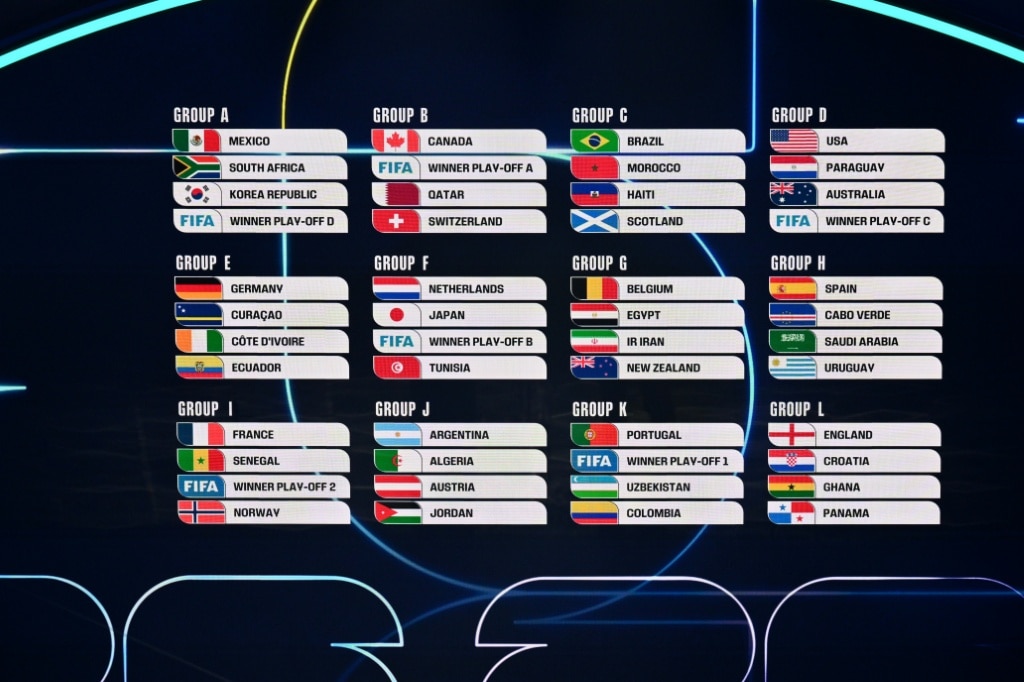
With Iran, Egypt, Belgium, and New Zealand composing Group G, the competition is expected to be intense. The Pride Match on June 26 in Seattle has become a focal point not just for its symbolic inclusivity but for what it reveals about the intersection of sport and global societal issues. For fans and bettors alike, understanding each team’s sociopolitical background is crucial to grasp match undercurrents.
Analyzing Iran’s recent performance, the team shows promise but is equally challenged by the pressures outside the pitch. The evolving regulations by FIFA provide new frameworks aimed at fair play and non-discrimination, potentially influencing team morale and international image.
The promotional video for the Pride Match highlights the inclusive spirit Seattle intends to radiate, foregrounding LGBTQ+ athletes and fans. This marketing push is a strategic decision to intertwine sports with social justice dynamics, a move that will undeniably affect public perception.
For followers of the tournament, these developments suggest a layered match narrative beyond the scoresheets. When considering bets or predictions, factoring in such external influences could yield more insightful and strategic choices.